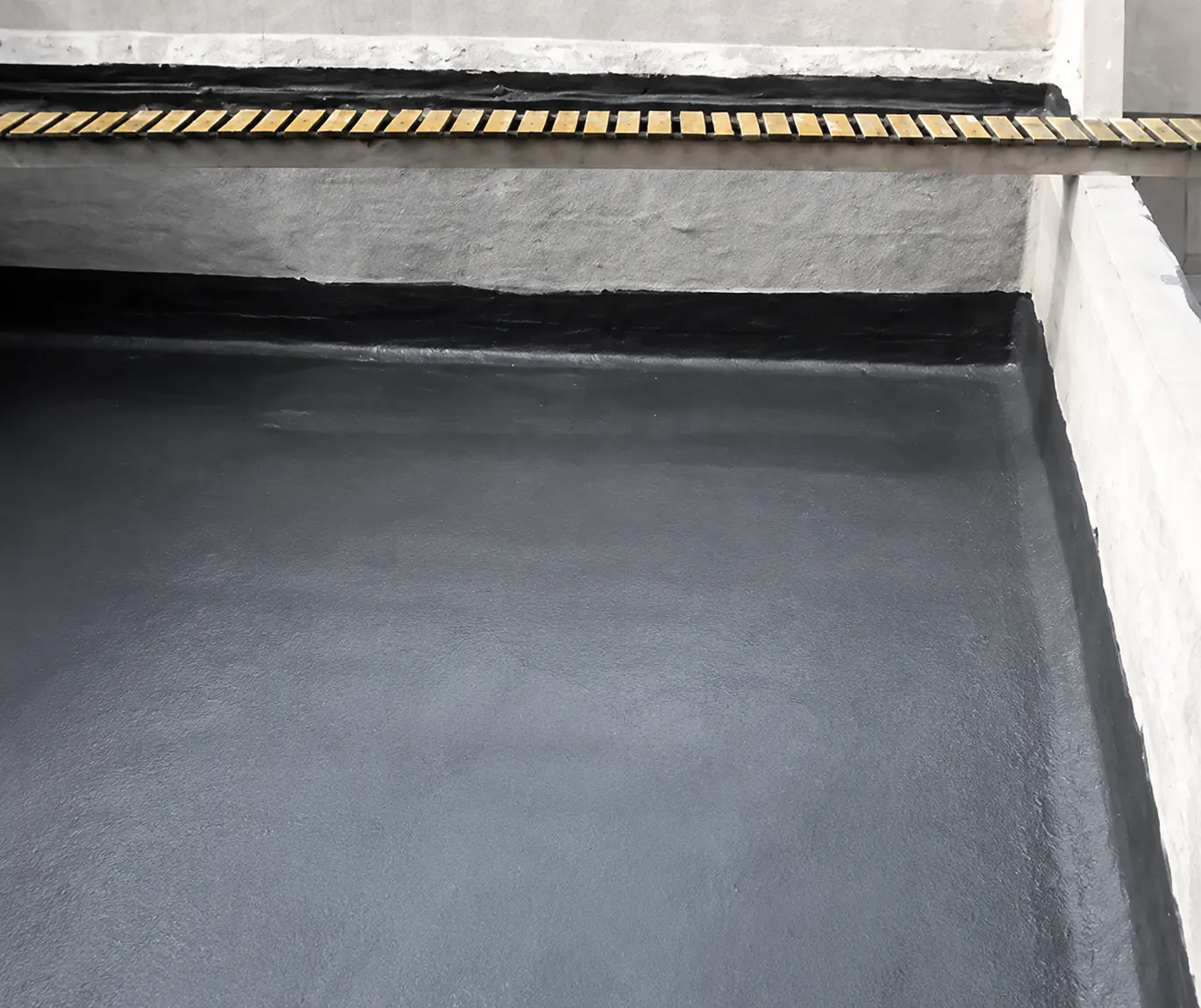
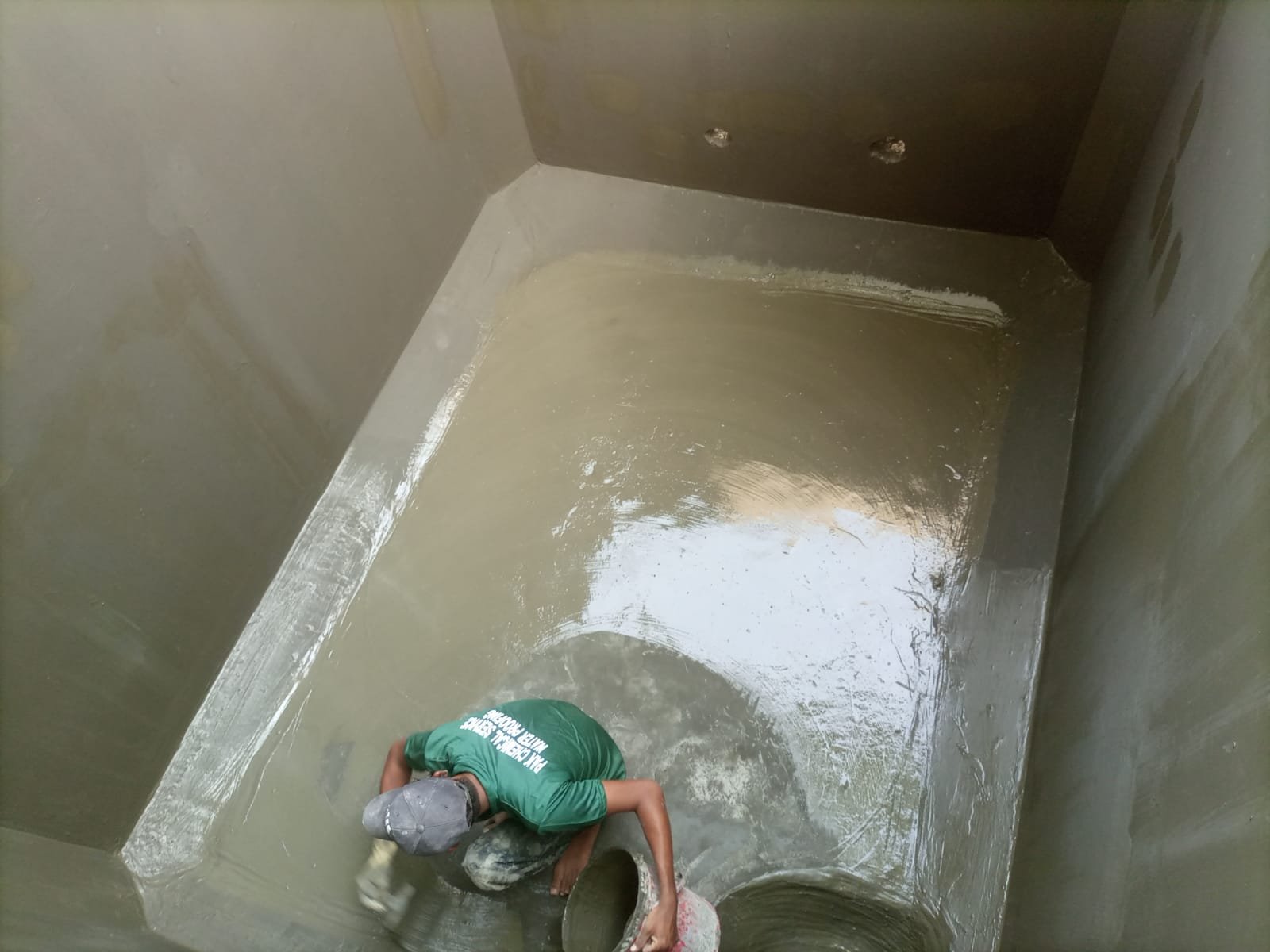
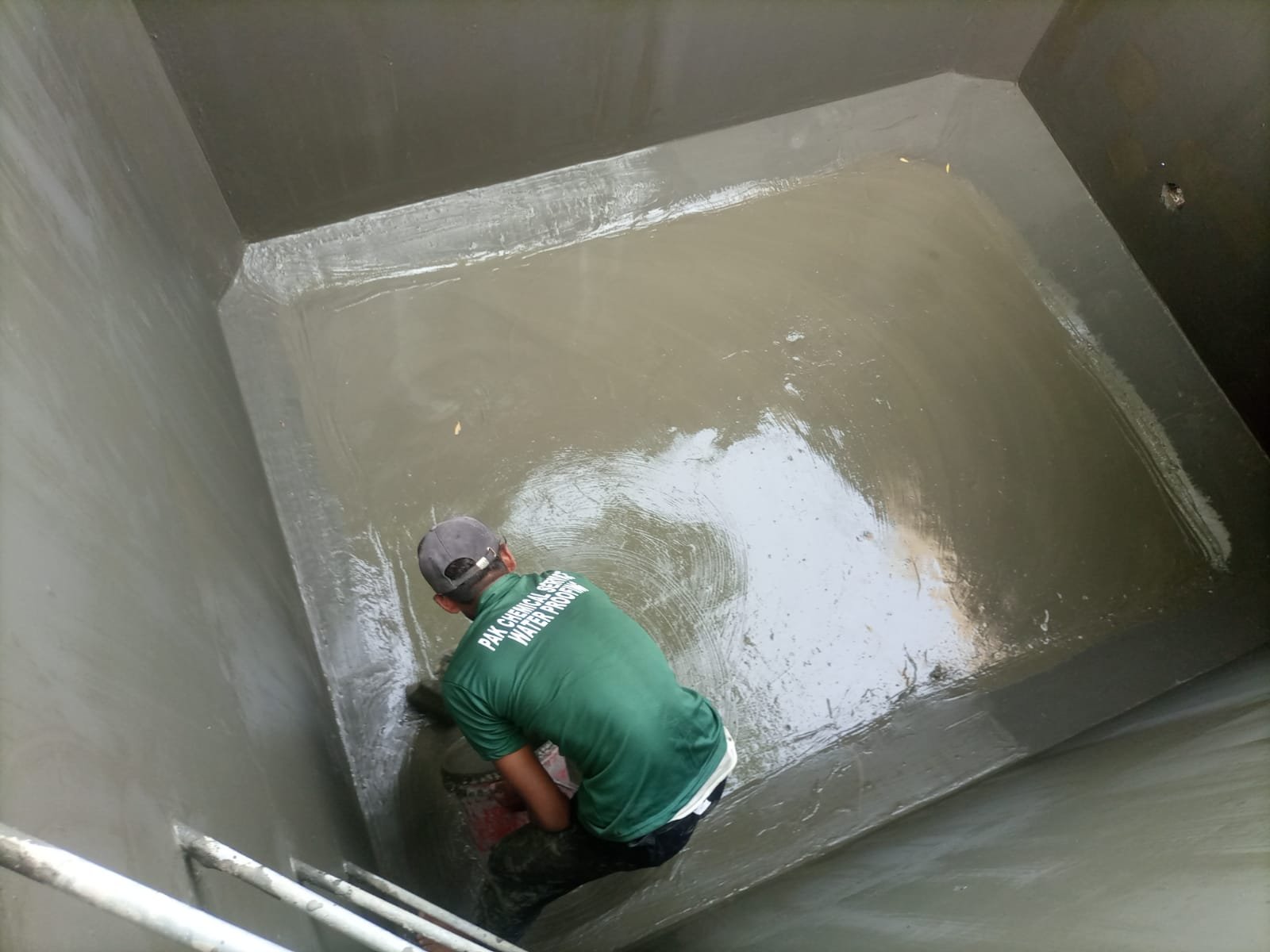
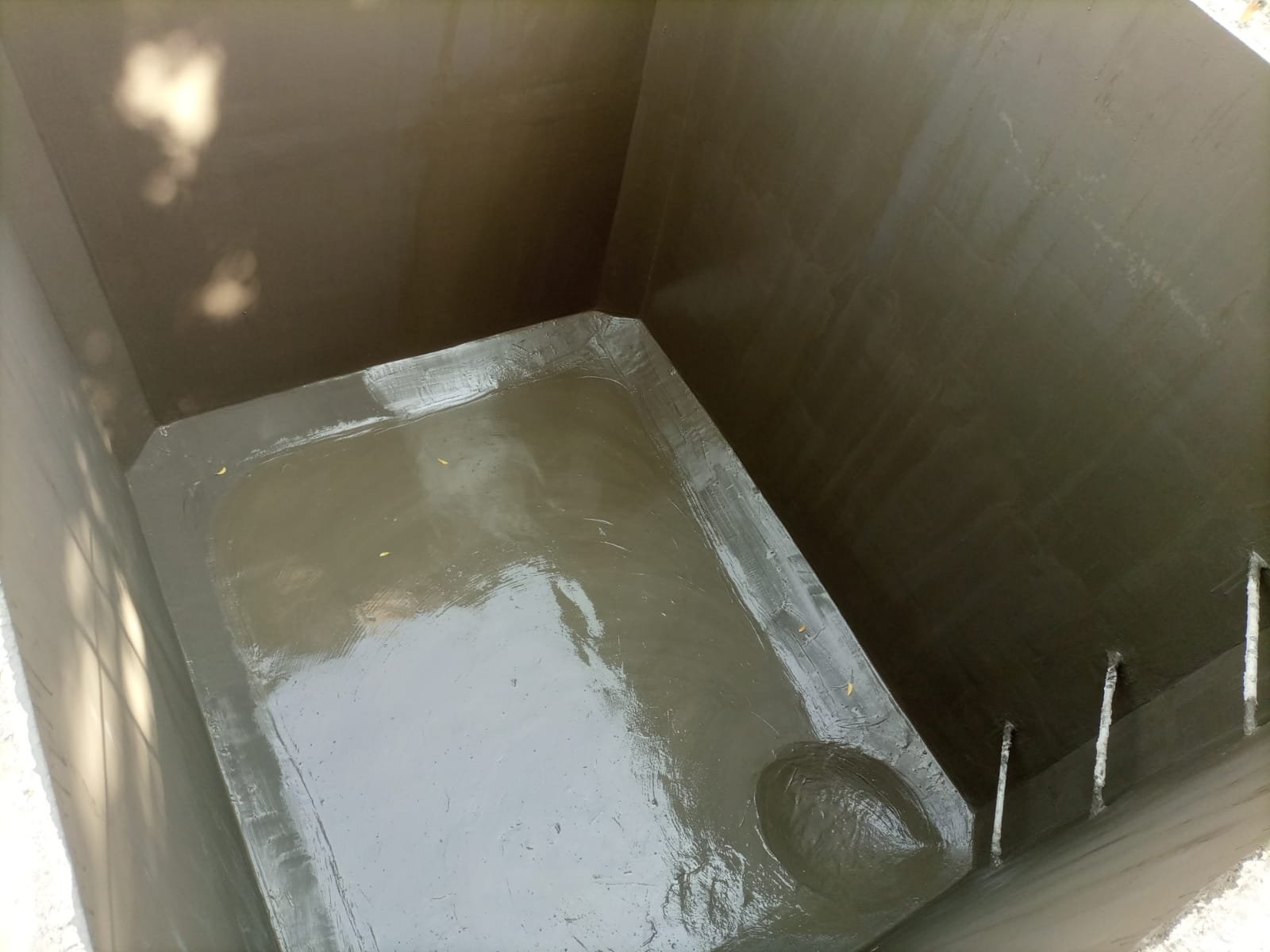
Internal tank walls
A key concrete tank inspection and treatment point.
Professional inspection-led waterproofing for overhead and underground concrete water tanks.
Concrete tanks can leak through cracks, construction joints, weak wall-floor connections and deteriorated internal surfaces. Pak Chemical Services identifies the likely leakage pathway before recommending repair and waterproofing.
Overhead tanks usually experience water pressure from inside, while underground tanks may also face moisture or groundwater pressure from outside. The selected treatment therefore depends on the actual site condition.
Professional Water Tank Waterproofing in Karachi involves more than coating the visible wet area. Water may travel through concrete and joints before appearing outside. The scope depends on whether leakage is localized or widespread, and significant structural cracking may require separate assessment.
A key concrete tank inspection and treatment point.
Small defects may show gradual signs around the structure. Plumbing lines, valves and outlets should also be checked before the tank itself is blamed.
The repair method depends on crack condition, joint type, surface strength and the direction of water pressure.
Shrinkage, movement, settlement, poor curing or deterioration can create stable or moving cracks. Cracks must be assessed and repaired before coating.
Wall-to-floor joints, vertical wall joints, cold joints and old-to-new concrete connections can become water pathways when bonding is weak.
This transition remains in constant contact with stored water. Treatment may need to extend across both surfaces instead of filling only the visible line.
Inlet, outlet and overflow openings can leak through weak grouting, movement or deteriorated seals. Pipes and fittings should also be checked.
Weak plaster, honeycombing, surface deterioration and damaged repairs may allow moisture movement and require preparation before treatment.
Poor preparation, untreated cracks, incompatible materials, insufficient curing and weak repairs can cause previous coatings to fail.
Different tank locations create different water-pressure and access conditions.
Surrounding soil can create external moisture pressure in addition to the stored water pushing outward. Internal walls, floors, joints, pipe openings and accessible external surfaces are assessed. Internal treatment can be practical when excavation is not possible.
Stored water pushes against walls and floors from inside, while exterior surfaces face sunlight and weather. Cracks, wall-floor junctions, pipe openings, base slabs and supporting areas are inspected before the treatment scope is selected.
Internal treatment is commonly used because the water-contact surface can be accessed directly. The tank normally needs to be drained and cleaned; slime, dust, salts, weak concrete and failed coating must be removed before localized repairs and the main system are applied. Product suitability, curing and refill guidance must follow manufacturer documentation and site conditions.
The exact sequence is adjusted to tank condition and the selected material system.
Inspect internal walls, floor, joints, cracks, pipe openings, previous coating and visible external dampness.
Review water-level loss, leakage patterns, plumbing points and likely internal or external pressure direction.
Empty the tank where required and clean slime, dust, salts, loose coating and contamination from treatment surfaces.
Remove weak material, open suitable cracks and prepare joints and pipe penetrations for stable bonding.
Treat stable cracks, weak junctions, construction joints and pipe surroundings with compatible repair materials.
Apply the selected system with uniform coverage, additional corner treatment and multiple coats where specified.
Allow the material-specific curing period, then inspect coverage, edges and repaired areas before refill or testing.
Where suitable, carry out controlled filling and observation after curing to check treated areas and plumbing connections.
Stable cracks, wall-floor junctions, construction joints and pipe penetrations are treated before the broader coating. Moving or structural cracks may need a different repair method or specialist assessment. Waterproof coating should not be presented as a structural repair.
The final scope depends on tank type, access, leakage source and concrete condition.
Professional treatment focuses on the actual defect and material-specific application rather than repeated surface patching.
Cost depends on tank size and depth, overhead or underground location, affected area, number of cracks and joints, pipe penetrations, failed coating removal, cleaning, access, material system, coats, curing and testing. Two tanks of the same capacity can require different work, so inspection gives a more reliable quotation than a fixed rate. No fixed prices are invented.
Pak Chemical Services follows an inspection-led approach for Water Tank Waterproofing in Karachi: checking leakage patterns, cracks, joints and pipe penetrations; distinguishing plumbing defects from concrete leakage; removing weak material; selecting treatment according to pressure direction; following curing guidance; and completing final inspection. Any material suitability, warranty or expected life should be stated in the written quotation.
Customers can share tank photographs, videos and location through WhatsApp for an initial discussion. Physical inspection may still be required.
Use these natural links to explore PCS services and request an inspection.
Common causes include concrete cracks, weak construction joints, wall-floor junctions, pipe penetrations, porous concrete and failed previous waterproofing.
Many existing concrete tanks can be repaired and waterproofed after inspection, preparation and treatment of damaged areas.
Yes. Underground concrete tanks can be assessed according to internal leakage and possible external moisture pressure.
Yes. Overhead concrete tanks can be treated for cracks, joint leakage, seepage and deteriorated surfaces.
Many stable cracks can be repaired. Significant, moving or structural cracks may require additional assessment.
Often yes, after checking the pipe, fitting, surrounding concrete and existing seal.
No. Localized defects may need targeted repair, while widespread leakage can require broader treatment.
The curing period depends on the selected system, environmental conditions and repair work; no universal refill time should be assumed.
A controlled retention test may be useful where practical after the complete curing period.
No. Potable-water suitability should only be claimed when the selected material has supporting manufacturer documentation.
Cost depends on tank size, surface condition, cracks, joints, access, previous treatment and the required system.
Yes. Inspection helps identify cracks, joints, damaged surfaces and other possible leakage paths before finalizing scope.
Recurring water loss, damp surrounding surfaces and visible cracks can indicate a tank problem, but the source should be identified before repair begins.
Contact Pak Chemical Services for professional Water Tank Waterproofing in Karachi. Share the property location, tank type and photographs or videos to request an inspection and quotation.