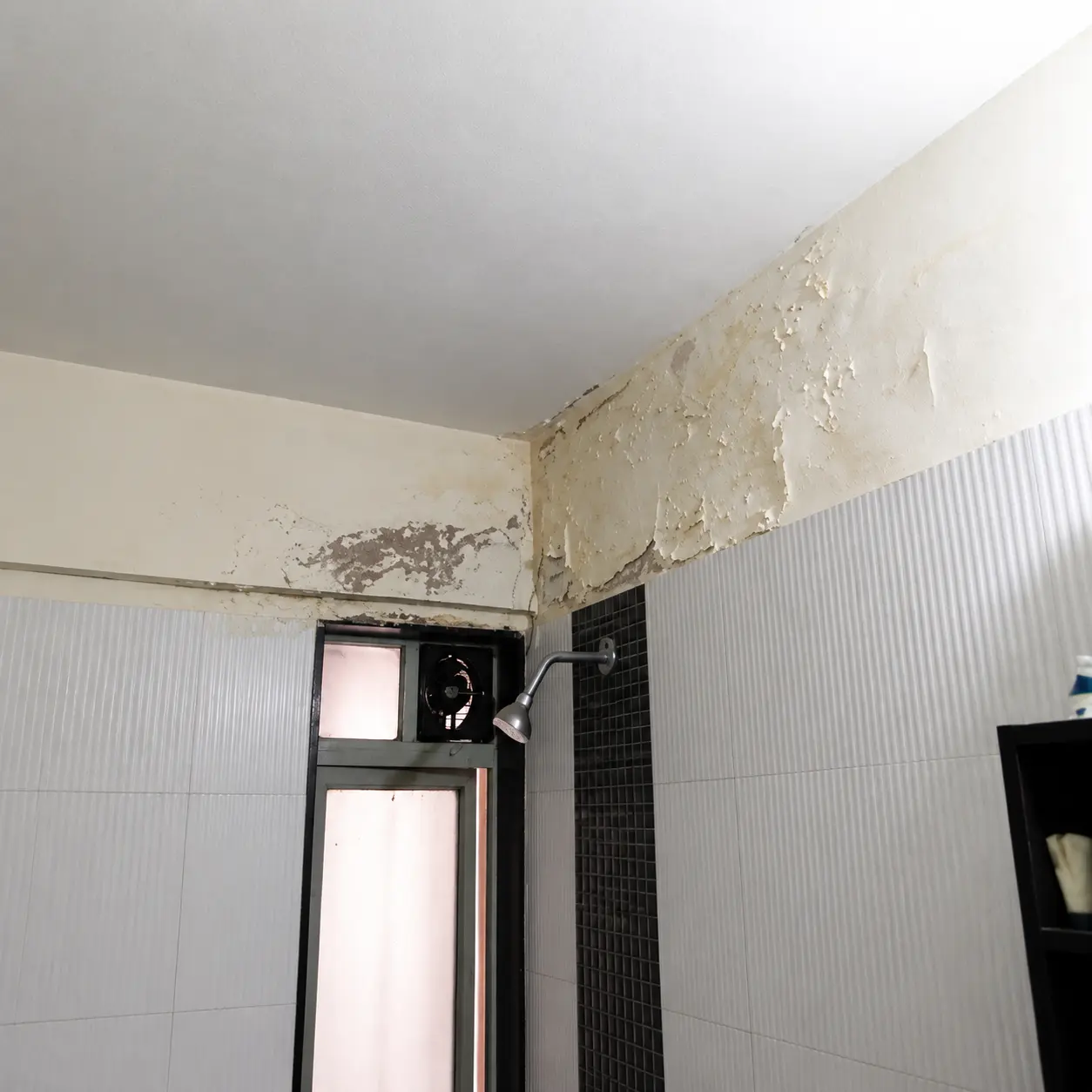
Bathroom floor
A key inspection point used to identify the likely leakage pathway.
Professional diagnosis and repair for floor seepage, tile-joint leakage, damp walls and ceilings below bathrooms.
Bathroom leakage can remain hidden below tiles, around floor joints or near plumbing connections. Water can travel through screed, pipe penetrations and construction joints before appearing somewhere else.
Pak Chemical Services inspects the bathroom floor, wall joints, fixtures, drains and affected surrounding surfaces. Not every bathroom needs complete tile removal; the least disruptive technically suitable treatment is selected after inspection.
Professional Bathroom Leakage Repair in Karachi begins by separating waterproofing failure from plumbing, drainage and damaged surface joints. The repair should target the water-entry path instead of covering a ceiling stain or repainting a damp wall.
A key inspection point used to identify the likely leakage pathway.
The bathroom may look normal while damage appears below or on an adjoining wall. Timing is useful: moisture only after showering suggests a different cause from dampness that continues when the bathroom is unused.
The correct method depends on whether water enters through surface joints, underlying waterproofing, drains, penetrations, plumbing or cracks below the tile finish.
Grout can crack or separate and allow water below the finished tile surface. Re-grouting helps only where surface joints are the real cause.
Poor application, incomplete coverage, movement, installation damage, failed corners, drilling or age can affect the waterproofing below finishes.
Frequent water exposure, movement and weak continuity can create pathways at the transition between the bathroom wall and floor.
Gaps, weak sealing, damaged screed, pipe movement or a poor waterproofing connection around the drain can cause localized seepage.
Shower, basin, toilet and drainage connections can leak where pipes meet concrete, screed or tiles.
Concealed water lines, faulty fittings, toilet connections and damaged drainage pipes can imitate waterproofing failure.
Shrinkage, movement, settlement, weak screed or previous repair failure can create concealed pathways below the tiles.
Bathroom floors are regularly exposed to water. Localized accessible joints may be repaired from the surface, while failure of the underlying waterproofing may require removal and reinstatement. The objective is the least disruptive method that is technically suitable.
Peeling paint, damp plaster, dark patches, salts and moisture near corners can result from direct water exposure, damaged tile joints, floor leakage or plumbing. Coating only the dry side may hide the symptom while water continues to enter from the bathroom side.
Non-dismantling treatment may be considered for open tile joints, damaged grout, small accessible gaps, certain drain-edge defects and localized junctions. It is not appropriate where the waterproofing below the floor has failed widely, screed is damaged, plumbing needs access, tiles are loose or repeated surface repairs fail.
Localized grout, accessible joints, small gaps, drain edges or isolated junction defects may allow surface repair after inspection.
Widespread membrane failure, damaged screed, concealed plumbing access, multiple leakage areas, loose tiles or repeated failure can require dismantling.
The exact sequence is adjusted to the diagnosed defect, surface condition and selected material system.
Inspect the floor, tile joints, wall-floor corners, shower area, drains, pipe penetrations, toilet connections, adjacent walls, ceiling below and previous repairs.
Compare when moisture appears—during showering, washing, toilet use, drainage or continuously—to separate waterproofing defects from plumbing issues.
Remove loose grout and failed sealant, clean joints and drain edges, prepare cracks and pipe penetrations, and remove weak surface material.
Treat accessible cracks, tile joints and wall-floor connections using a method suited to crack width, surface type, joint condition and expected movement.
Apply joint sealing, compatible coating, localized membrane, corner reinforcement, drain-edge treatment or pipe sealing according to the exposed surface.
Follow material-specific curing requirements, inspect the repaired areas and advise when normal water exposure can safely resume.
Damaged joints can contribute to moisture entry, particularly in shower areas and frequently washed floors. Grouting alone cannot repair broken drain pipes, concealed plumbing leaks, major floor cracks, structural movement or widespread failure below the bathroom.
A wet ceiling area may not sit directly below the original entry point. Water can travel through screed, concrete, pipe channels, joints and floor penetrations. Both the bathroom and affected ceiling or wall below should be inspected; repainting should wait until the source is controlled and the area dries.
Outcomes depend on accurate diagnosis, surface condition and a repair method suited to the actual defect.
Cost depends on bathroom size, number of affected areas, tile-joint and drain condition, pipe penetrations, wall-floor junctions, tile condition, dismantling, waterproofing system, crack repairs, plumbing access, preparation and re-tiling. A localized joint issue requires less work than widespread failure below the floor, so no fixed rate is invented without inspection.
Pak Chemical Services follows an inspection-led approach for Bathroom Leakage Repair in Karachi: checking leakage signs, tile joints, drains, wall-floor junctions and pipe penetrations; distinguishing plumbing leakage from waterproofing failure; avoiding unnecessary dismantling where possible; preparing surfaces; selecting condition-specific repairs; following curing requirements; and completing final inspection.
Customers can share bathroom-floor, grout, damp-wall and affected-ceiling photos or videos through WhatsApp for an initial discussion. Physical inspection may still be required.
Explore the main PCS services or request an inspection.
Possible causes include damaged waterproofing, open tile joints, floor-drain leakage, pipe penetrations, cracks or plumbing problems.
Sometimes. Localized joint or grout problems may be repairable without dismantling, but wider waterproofing failure may require tile removal.
Re-grouting can help where damaged tile joints are the actual cause. It will not repair every waterproofing or plumbing problem.
The floor, joints, drains, pipe connections and surrounding damp areas are inspected while considering when and where moisture appears.
Leakage around the drain may be repairable, but a damaged drain pipe or fitting may require plumbing work.
Water may travel through tile joints, wall-floor junctions, pipe openings or the underlying waterproofing. Plumbing leakage can create similar dampness.
Some localized treatments may be applied over existing tiles, but suitability depends on the defect and surface condition.
No. Some are localized joint or plumbing issues. Complete treatment is appropriate only where inspection indicates wider failure.
Duration depends on repair scope, dismantling requirements, selected materials and curing time.
Cost depends on bathroom size, leakage source, tile condition, drains, plumbing access, dismantling and waterproofing scope.
Normal use should resume only after the selected repair and waterproofing materials complete their required curing period.
Yes. Inspection helps determine whether the problem relates to joints, waterproofing, drainage, plumbing or another source before finalizing scope.
Damp ceilings, peeling paint and repeated seepage can have several causes. Treating only the visible stain may not stop actual water entry.
Contact Pak Chemical Services for professional Bathroom Leakage Repair in Karachi. Share the property location and photos or videos through WhatsApp to request an inspection and quotation.