Hairline and Surface Cracks
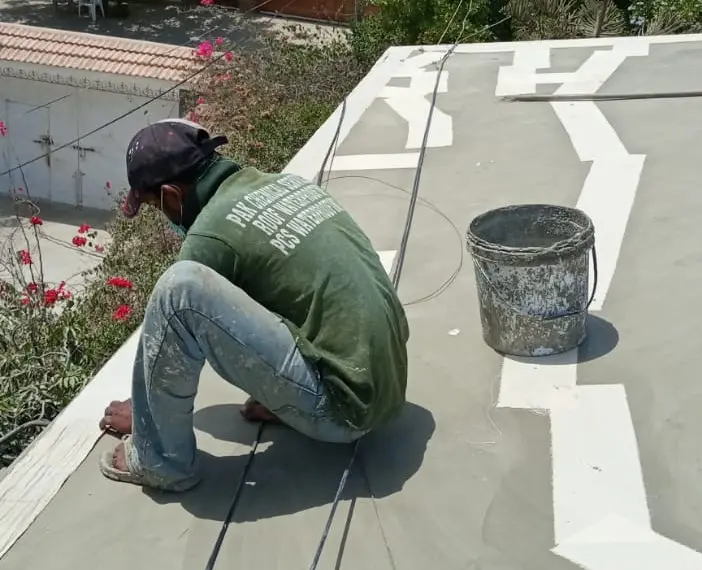
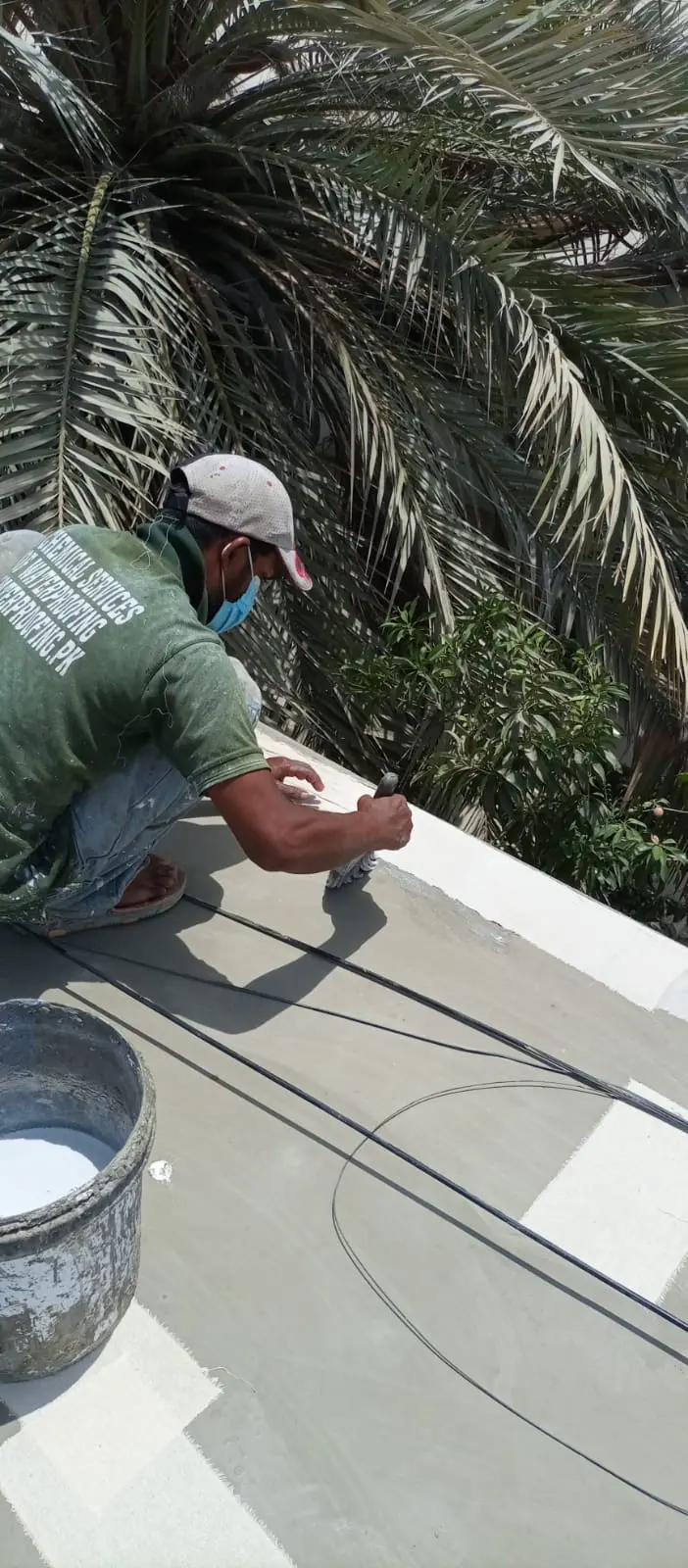
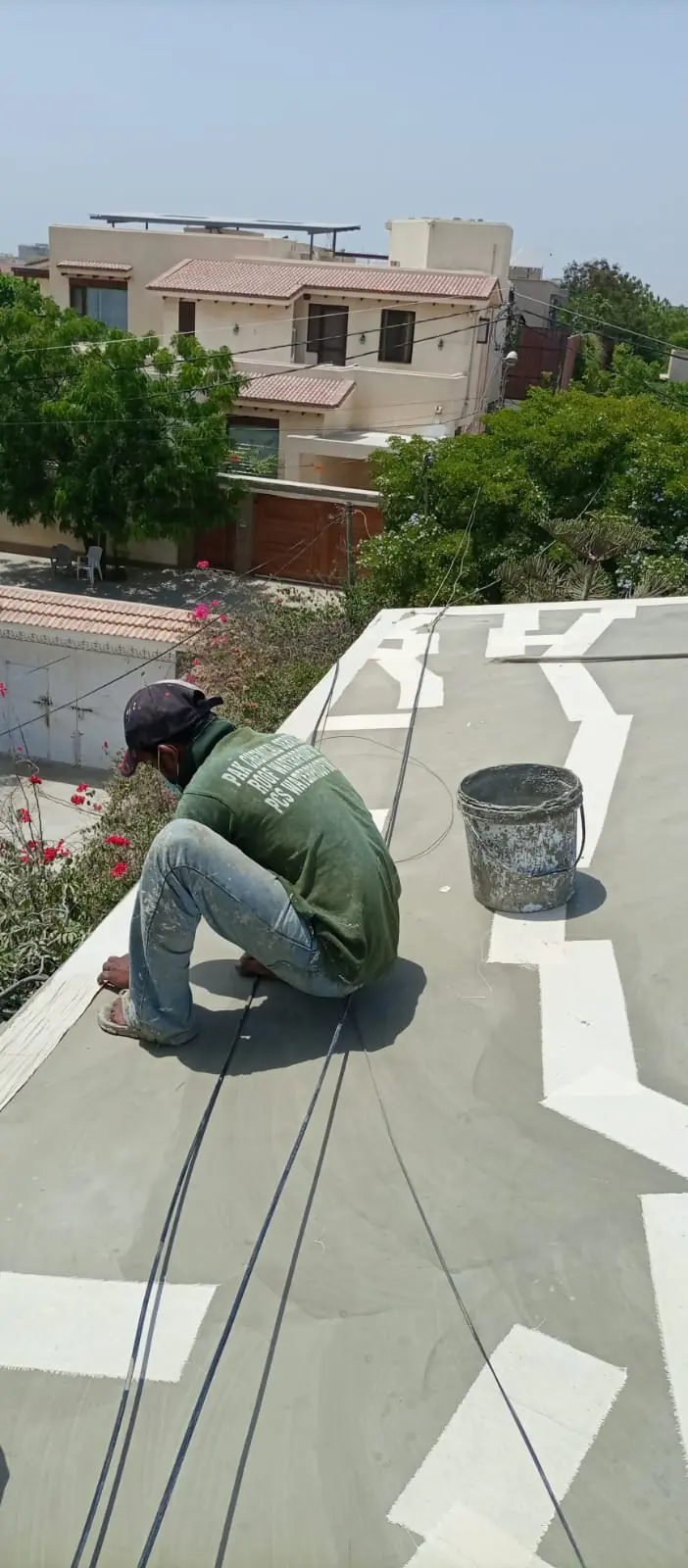
Concrete shrinkage, thermal movement, screed movement, aging, surface stress and failed repairs can produce fine cracks. Even narrow lines may admit moisture depending on depth and location, so they should be assessed before coating.
Wider or Moving Cracks
Settlement, structural movement, thermal stress, weak screed and construction defects can produce wider or recurring cracks. Significant movement may require assessment by a qualified structural engineer before waterproofing.
Construction Joints
Separate concrete pours create interfaces that can leak when bonding is weak, joints open, movement continues or previous repair work fails.
Weak or Damaged Screed
Shrinkage, poor bonding, weak mix, cracking, water exposure and repeated repairs can damage screed, create water paths and reduce adhesion of a new system.
Parapet and Wall-to-Roof Junctions
Cracks, failed sealant, damaged plaster and poor waterproofing continuity at horizontal-to-vertical transitions can let water travel beneath the roof surface.
Roof Drain and Outlet Defects
Cracked edges, poorly terminated waterproofing, moving fittings, deteriorated sealant, ponding and weak slope may require drainage correction as well as waterproofing.
Service Penetrations
Water pipes, AC lines, conduits, vent pipes, solar mounts and other utility openings may leak around small gaps. The service itself should also be checked.
Failed Previous Waterproofing
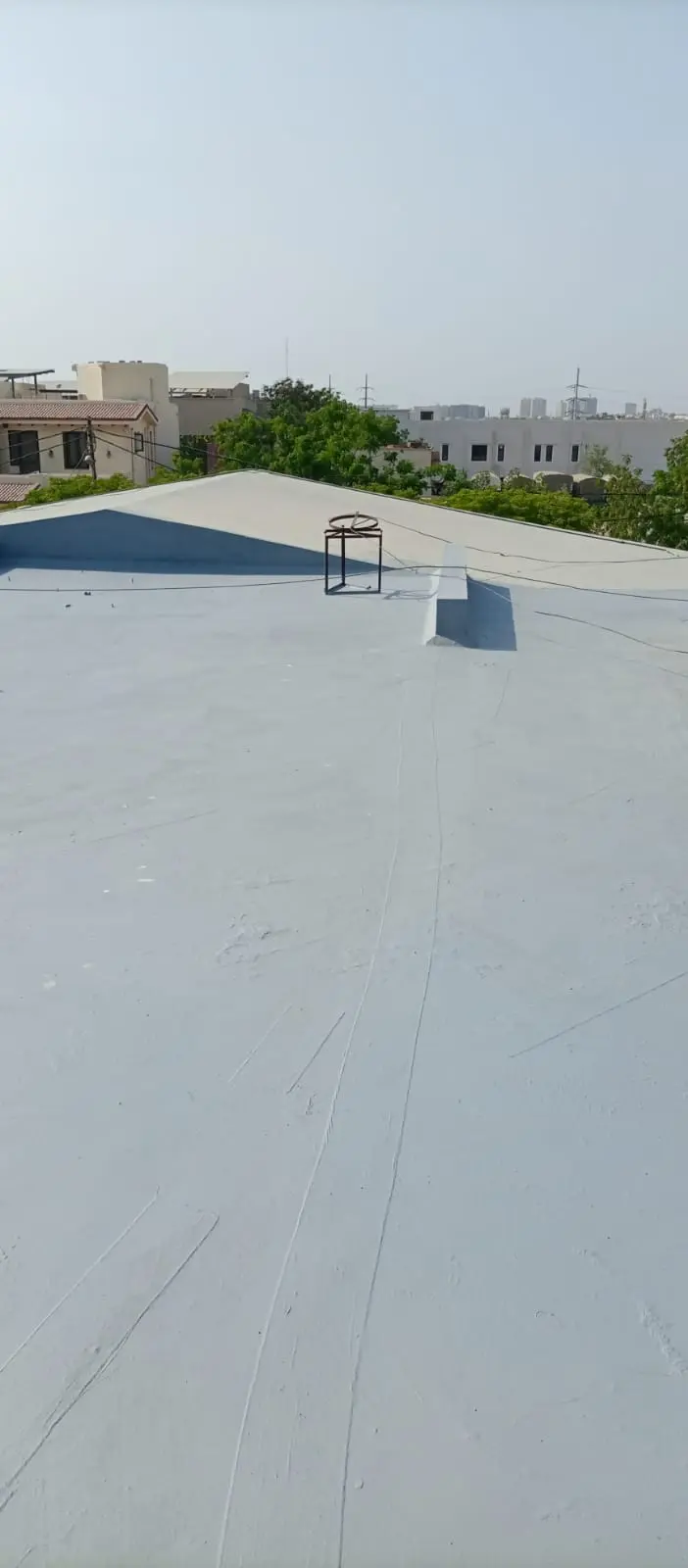
Poor preparation, UV exposure, hidden cracks, ponding, incompatible materials, movement, later construction damage and weak substrate can destabilize old coatings.